Pages

Showing posts with label groceries. Show all posts

Wednesday, 6 February 2013

#39 Shopping in Sweden

Even though we can often find familiar brand names, being in another country can be confusing at first if you don't know where to shop or eat. So, here's a post about the most common shops and chain stores in Stockholm and Sweden, as well as the best places to shop!


My biggest shopping shock in Sweden was this: They have no euro/pound/dollar store!
I thought every country had one of these, it seems Sweden is the exception. There is a shop called Clas Ohlson that sells a variety of electrical and household goods, but it sure isn't priced at 10kr! While it could be cheaper than other stores, most things are at least 50kr up to 1000kr (for the electrical items). Shops like LagerHaus and TGR are good for some novelty household items, as well as gifts. TGR is very cheap, some things are 10kr, while most things are around 20kr-40kr. It is probably the closest you will get to a dollar store in Sweden.


For groceries, the popular Swedish shops I've seen are Hemkop, ICA, Pulssen and Coop. The prices in these stores vary depending on what you buy, but generally they're all pretty similar. Pulssen often has massive savings on one or two products. There is also Lidl, which is familiar for many Europeans, and is cheap (also, Lidl products usually have English on the packaging which is useful!). Finally, there's another shop called Willys. I've heard it's one of the cheapest shops, and also here you can bulk buy things like rice and pasta, but this will only benefit you if you're staying here for at least a few weeks. The  most common corner stores are Presbyran and 7-Eleven, but items in here are usually expensive, so try to avoid going unless you have to. The grocery and smaller local run stores are often better value.


The popular chain coffee shops are Espresso House, Coffehouse by George, and Waynes - which has a massive mug of coffee for around 30kr. They are more reliable than local cafés, which can be very expensive and offer small amounts of coffee. [Fun fact: there are only three Starbucks in Sweden: one in Stockholm Arlanda airport, and one each in Gothenburg and Malmo central train stations!]

If you're looking to eat out,  your best option is a buffet. Buffets are really common here and if you're hungry, are much better value than anywhere else. Prices are usually 100kr for lunch time, and then 150kr for evenings and weekends. Sushi and Asian buffets are the most common, but Pizza Hut also have a lunch buffet. Otherwise there are the same food places you might expect (McDonalds, Subway and Burger King, but no KFC). The McDonalds menu is pretty much the same as every other European country, and a Big Mac meal costs about 60kr, while any of the special edition items or bigger burgers cost about 80kr. They have a saver menu too. Sweden's national fast food chain, Max, has meal prices at about 70kr, and is a tasty change from McDonalds. If you really need food on the go, there are also lots of fast food venders on the streets, selling things like kebabs and hot dogs, which are really popular.


For clothes, from what I can see, they have none of the UK high street stores like New Look, River Island etc. No Primark either!! Their main store is (you guessed it) H&M. It's familiar and has nice clothes but like most things in this country, I'd prefer something cheaper. There's also a shop called Lindex, which I think is pretty similar to H&M, except it seems to cater a bit more for an older market. The same goes for Ginatricot. For something more fashionable perhaps, Bik Bok is quite reasonable, and has some really cool clothes.
For shoes, there's a shop called Din Sko. I'd never heard of it before but it's really popular here. The prices seemed average enough, though at the moment is a 70% sale in which I got some very nice boots for 200kr down from 700kr! So maybe look out for a big sale like that before you buy. There is also Euro Sko and Nilsson Shoes, but these both seem to be more expensive.


And of course for all your household furnishing needs (as well as some delicious meatballs), there is only one place to head in this country:


Monday, 3 September 2012

#13 Prices in Japan 2012

Whilst it may look like I've been slack at this blog, I have actually been cooking up something quite delicious. In many senses of the word. The one thing (actually that's a lie, there are many, many, many things) that annoys me about the internet is that it's hard to find relevant information. An example of such is the prices for things in Tokyo, or Japan in general for this year. Any ones I found seemed a little outdated, so I have begun compiling a list of the 2012 prices I have seen for food and other items over here, in shops such as 7/11, Lawson, Family Mart, Fuji, Maruetsu, Hac etc.

¥100 Store 
(The most popular one is called Daiso, but others are around. Also in reality everything is ¥105 because of tax)
Noodles, Sweets
Arts and crafts (and I mean lots)
Bathroom and toiletries
Every type of household item (bowls, hangers, dustbins, brushes, lunchboxes, etc etc)
Random items
*There are also some Lawson Store 100 convenience stores around (a version of the regular Lawson store), where nearly all the food is ¥105 or ¥210, and they have milk, meat, vegetables, snacks, bread etc).

Groceries
Generally, fruit is expensive to buy in stores, but cheaper if you get it from stalls (although I think more likely to go off faster). There are lots of fish (the prices can be quite reasonable considering there is so much choice), lots of noodles and not so much meat. Most common is beef and then maybe pork, but it can be difficult/pricey to get chicken or anything like that. Breakfast cereal is expensive, bread is thicker than home and tastes a little sweeter. There are lots of breads available such as croissants, cakes, rolls (like the hotdog buns), cheese slices and pizza slices. These are all well priced, usually no more than ¥150. There are food items available from UK/USA (like ketchup or sauces), but while at first you may be excited to see it, after you catch a glimpse of the price you'll see it's far more expensive.

Sample prices include:
Instant ramen cup ¥185
Small vegetable mix ¥100
Small frozen veg (such as corn) ¥100
900ml Porari Sweat (energy drink) ¥168
1l water ¥168
1l milk ¥198
Breakfast cereal (small box) ¥208
Curry soba noodles 3x pack ¥198
Tomato pasta sauce ¥298
Spaghetti ¥298

Household items (you can probably get some of these at the Daiso)
Dove shower gel ¥258
Hand soap ¥298
Washing detergent ¥198
Dove facial cleanser ¥980
Listerine mouthwash ¥398
Herbal essences conditioner ¥298
Kitchen cleaner ¥98


I got all of these for less than ¥200 at a stall


Ready meals: You can also get ready meals at places like 7/11, and they are fresh, tasty and really cheap. Prices are around ¥398. Apparently they contain lots of additives and stuff, so although great value and super convenient I wouldn't recommend them as a long term option.

Rice and some tasty chicken balls


Dining out
Fast food places such as McDonalds are pretty much the same as at home (about ¥600 for a meal), pricewise and menuwise. Generally you can get quite a decent meal in a restaurant for around ¥1000-1500. Sukiya is a ramen place with prices at like ¥500, and is renowned as one of the cheapest places to eat in Japan. If you're in Tokyo I recommend Chikara Meshi, it's really cheap, the food is really tasty, and I basically used to eat there all the time. A lot of restaurants have wax models and prices of the food outside, and inside the menu will likely have pictures, so if your Japanese isn't good you can really just point. Alternatively, there are even more restaurants that just have a vending machine as you walk in, so you press the picture of what you want and put in your money, then you get a voucher and you hand it to the waiter - no speaking involved!

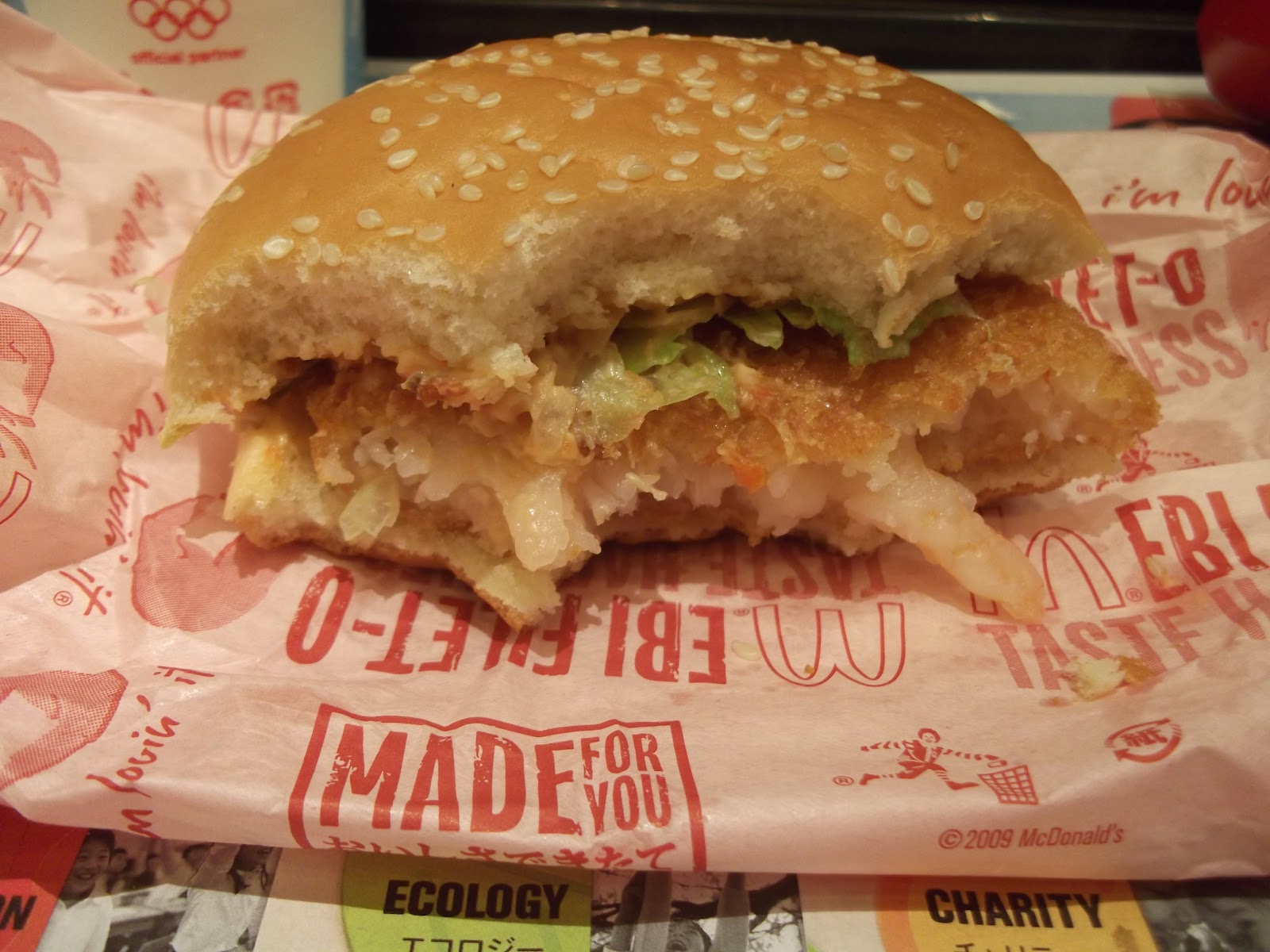
'Ebi fillet-o' or a shrimp burger, one of the menu differences


Some plastic deserts in a cafe window


Vending machines
Unlike in Western countries, vending machines in Japan sell only drinks, no food. There are exceptions, but as you find at least one vending machine per every few steps (no exaggeration, they really are EVERYWHERE) you will notice they will not have food. The main drinks are water, energy drinks and types of tea and coffee in cans (which are hot!!). Some machines are only ¥100, but you will find prices in most are around ¥120-¥160.